All Categories
Featured
Securing Burial Insurance for Families
Table of Contents
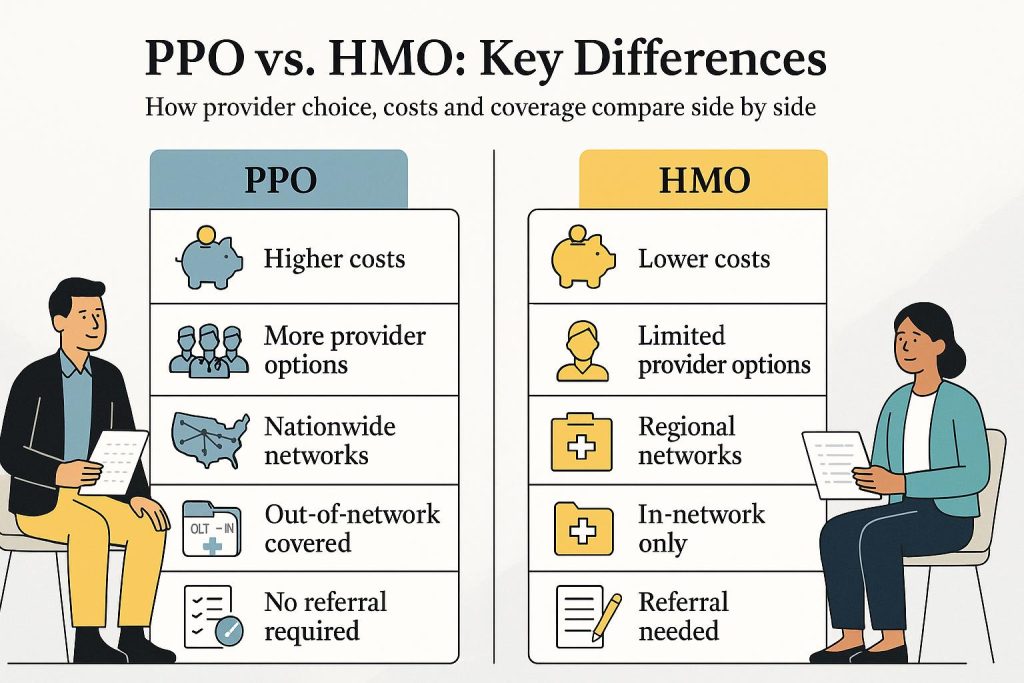
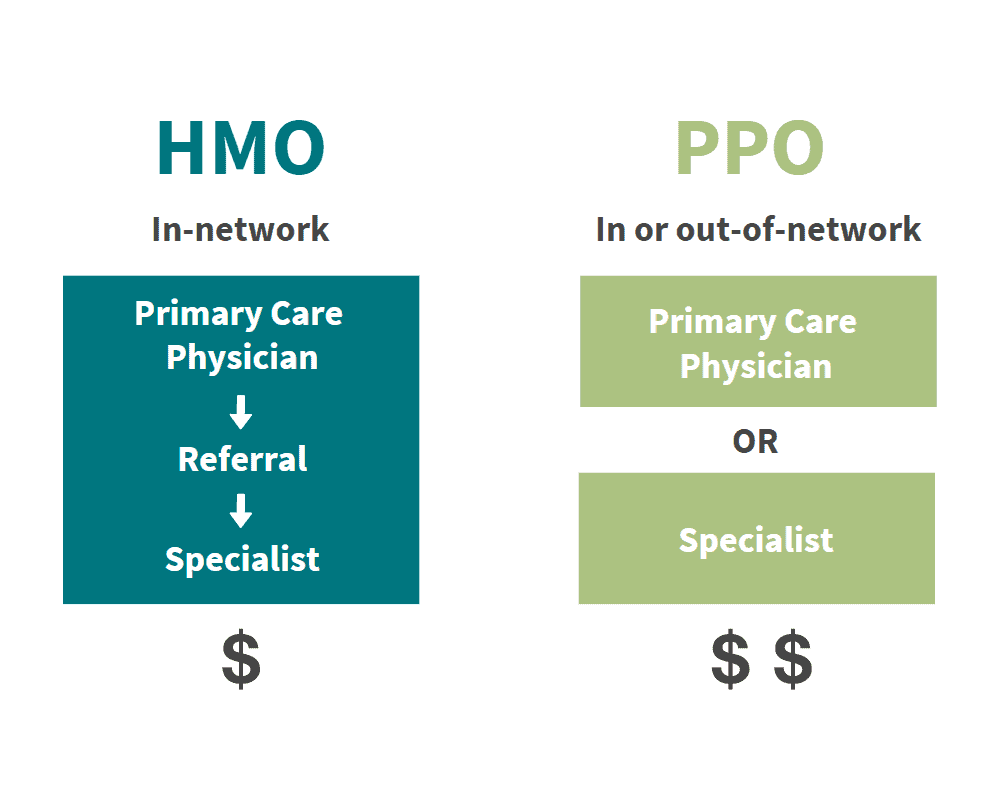
Like all health insurance, receiving in-network care is best to keep your out-of-pocket costs low. Unlike HMO strategies that will not cover any portion of your bill if you look for out-of-network care (other than in a covered emergency), you can get out-of-network care when taking a trip out of your routine plan network location with a PPO policy.
Insurance in Lakewood CACost-conscious people should think about a few downsides to PPO prepares that might make getting care more costly. While they're versatile and practical, PPO strategies have greater premiums.
If you do have a deductible, it's likely to be more expensive than other plan types. While your insurance provider will share the expense with you, you'll likely pay a greater coinsurance portion for out-of-network service providers. When you visit an in-network provider, they'll file your claim to your health insurance business on your behalf.
PPO policyholders might find the claim filing procedure complicated if they're not utilized to it or lengthy if they frequently need out-of-network care from an expert. In 2023, the typical yearly premium for a group PPO plan was $8,906 for self-only coverage and $25,228 for family coverage2. Employers contributed $7,399 towards a self-only strategy, and workers contributed $1,507.
Low-Cost Health Insurance for US Veterans
The average deductible for PPO plans was $1,281. As discussed above, PPO prepares acquired on the ACA markets also have an optimum out-of-pocket limitation of $9,450 for self-only coverage and $18,900 for household plans.

Yes No Yes No Some plans do. The majority of plans do. Whether you have an HMO or PPO strategy, you can utilize a health compensation arrangement (HRA) to lower out-of-pocket medical costs.
Insurance in Lakewood CAJust companies can introduce and contribute toward an HRA. Companies use an HRA to offer their workers a regular monthly allowance to pay for medical costs. When an employee purchases an eligible product or service, they send documentation showing evidence of purchase, and their company reimburses them up to their allowance quantity.
Maximizing Indexed Universal Life Growth Benefits for Retirement
Employee compensations will be tax-free if their private health insurance provides minimum necessary protection (MEC). Companies can reimburse staff members for out-of-pocket costs and medical insurance premiums, consisting of those for an HMO or PPO plan. Individual coverage HRA (ICHRA): An ICHRA is also a stand-alone HRA, however it's available to employers of all sizes and has no contribution limitations.
However, they must have a certifying form of individual health coverage to take part. Companies can set different allowances based on employee classes for added modification. Group coverage HRA (GCHRA): Also called an incorporated HRA, a GCHRA is for employers of any size who provide a group health insurance. Only workers registered in their company's group plan can get involved.
While they have no maximum contribution limitations, the internal revenue service doesn't permit reimbursements for month-to-month premiums. No matter whether it's utilized in coordination with an HMO or PPO plan, there's an HRA that can assist workers pay for their out-of-pocket medical expenses and, sometimes, their health insurance coverage premiums. An HRA is a popular alternative option over traditional health advantages since they're affordable for companies and flexible enough for every worker.
Comparing PPO and HMO Medical Coverage
An HMO might be your best choice if you're searching for a plan with a low premium. A PPO strategy provides extra flexibility if you require more control over your health care. That's why researching these plans carefully, including their pros, cons, and typical costs, is the very best primary step you can take before making a decision.
Staff member reimbursements will be tax-free if their individual health strategy offers minimum important protection (MEC). Employers can reimburse workers for out-of-pocket costs and health insurance coverage premiums, consisting of those for an HMO or PPO plan. Private protection HRA (ICHRA): An ICHRA is likewise a stand-alone HRA, but it's available to employers of all sizes and has no contribution limits.
They should have a certifying kind of specific health protection to get involved. Employers can set different allowances based upon employee classes for added customization. Group coverage HRA (GCHRA): Also understood as an integrated HRA, a GCHRA is for companies of any size who provide a group health strategy. Only staff members registered in their company's group strategy can get involved.
How to Find the Best Medicare Medigap Coverage
While they have no maximum contribution limits, the internal revenue service doesn't permit repayments for regular monthly premiums. No matter whether it's used in coordination with an HMO or PPO strategy, there's an HRA that can assist workers pay for their out-of-pocket medical costs and, often, their medical insurance premiums. An HRA is a popular alternative option over traditional health benefits because they're affordable for companies and versatile enough for every staff member.
An HMO might be your best bet if you're searching for a strategy with a low premium. A PPO strategy provides additional versatility if you require more control over your health care. That's why looking into these plans thoroughly, including their pros, cons, and typical costs, is the very best initial step you can take previously making a choice.

Latest Posts

Comparing PPO and HMO Health Insurance Review
Top-Rated IUL Policies for Secure Retirement Planning
Securing Burial Insurance for Seniors